The Most Common Eye Injuries - and How to Prevent Them at Home
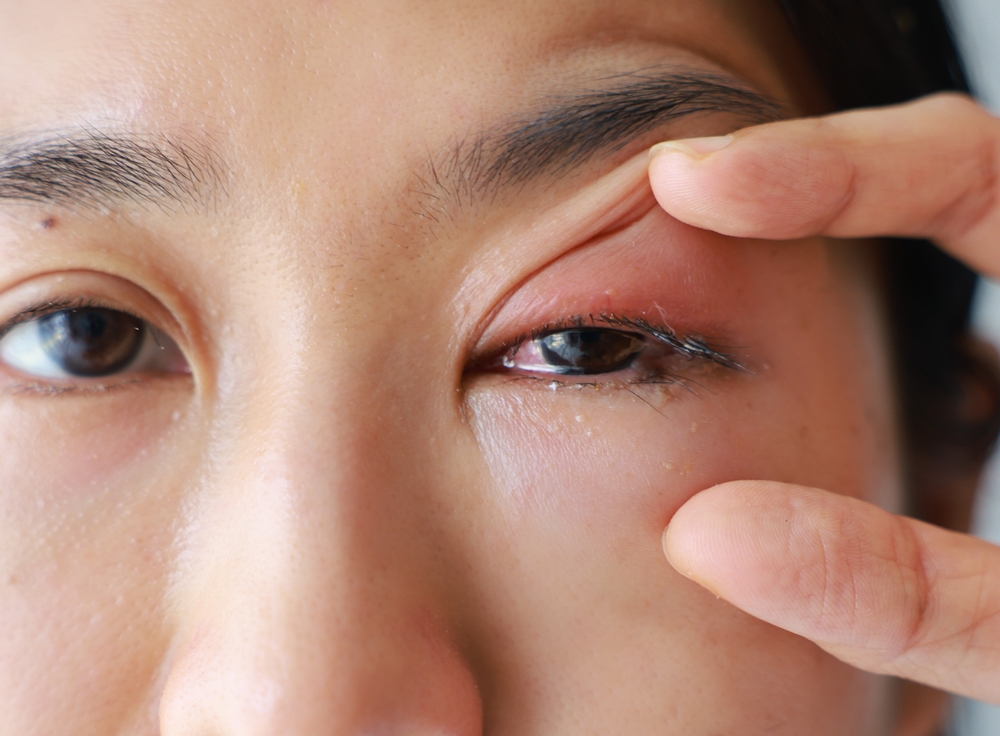
Eye injuries don’t only happen on job sites or during sports - they often occur right at home during routine activities. From cleaning and cooking to home repairs and screen time, everyday tasks can pose unexpected risks to your eyes. Knowing the most common types of eye injuries and how to prevent them can help you protect your vision and avoid unnecessary complications.
Debris and Particles in the Eye
Small particles such as dust, dirt, wood shavings, or metal fragments can easily enter the eyes during household chores, yard work, or DIY projects. Even tiny particles can cause irritation, tearing, redness, and corneal scratches.
How to Reduce Risk:
• Wear protective eyewear when working outdoors or using tools
• Avoid rubbing your eyes if debris gets inside
• Flush the eye gently with saline if irritation occurs
Chemical Exposure
Household cleaners, disinfectants, bleach, and other chemicals can cause serious eye injuries if they come into contact with the eyes. Chemical burns can occur quickly and may result in long-term damage if not treated promptly.
How to Reduce Risk:
• Read and follow safety instructions on all cleaning products
• Wear safety glasses when handling chemicals
• Keep hazardous products securely stored and out of children’s reach
• Aim spray bottles away from your face
Scratches and Corneal Abrasions
Corneal abrasions are scratches on the surface of the eye and often occur from fingernails, contact lenses, makeup brushes, or plant material. These injuries can be painful and increase the risk of infection.
How to Reduce Risk:
• Wash hands before touching your eyes
• Follow proper contact lens hygiene
• Replace eye makeup regularly and avoid sharing products
• Be cautious when handling pets near your face
Eye Strain and Screen-Related Discomfort
While digital eye strain isn’t a physical injury, extended screen use can cause discomfort, dryness, blurred vision, and headaches—especially for those working or learning from home.
How to Reduce Risk:
• Follow the 20-20-20 rule to reduce strain
• Adjust lighting and screen positioning
• Take regular breaks from screens
• Ask your eye doctor about lubricating eye drops if symptoms persist
The Importance of Annual Comprehensive Eye Exams
Routine comprehensive eye exams are a key part of maintaining long-term eye health. During an annual exam, your eye doctor can:
• Detect early signs of eye injuries or trauma
• Identify underlying eye health issues that may not show symptoms
• Monitor changes caused by screen use, contact lenses, or lifestyle habits
• Provide personalized guidance to help prevent future injuries
Protect Your Vision With Expert Eye Care
Eye injuries at home are more common than many people realize, but most are preventable. By understanding common risks, taking preventive measures, and seeking timely care when injuries occur, you can protect your vision and reduce the likelihood of long-term damage. Regular comprehensive eye exams are an essential part of maintaining healthy eyes and catching potential problems early.
If you have concerns about eye safety or it’s time for your annual exam, schedule a comprehensive eye exam at Eldorado Vision & Optical today. Visit our office in McKinney, Texas, or call (972) 564-8400 to book an appointment.


© 2026 Eldorado Vision & Optical. All Rights Reserved. Accessibility Statement - Privacy Policy - Sitemap
Powered by: